
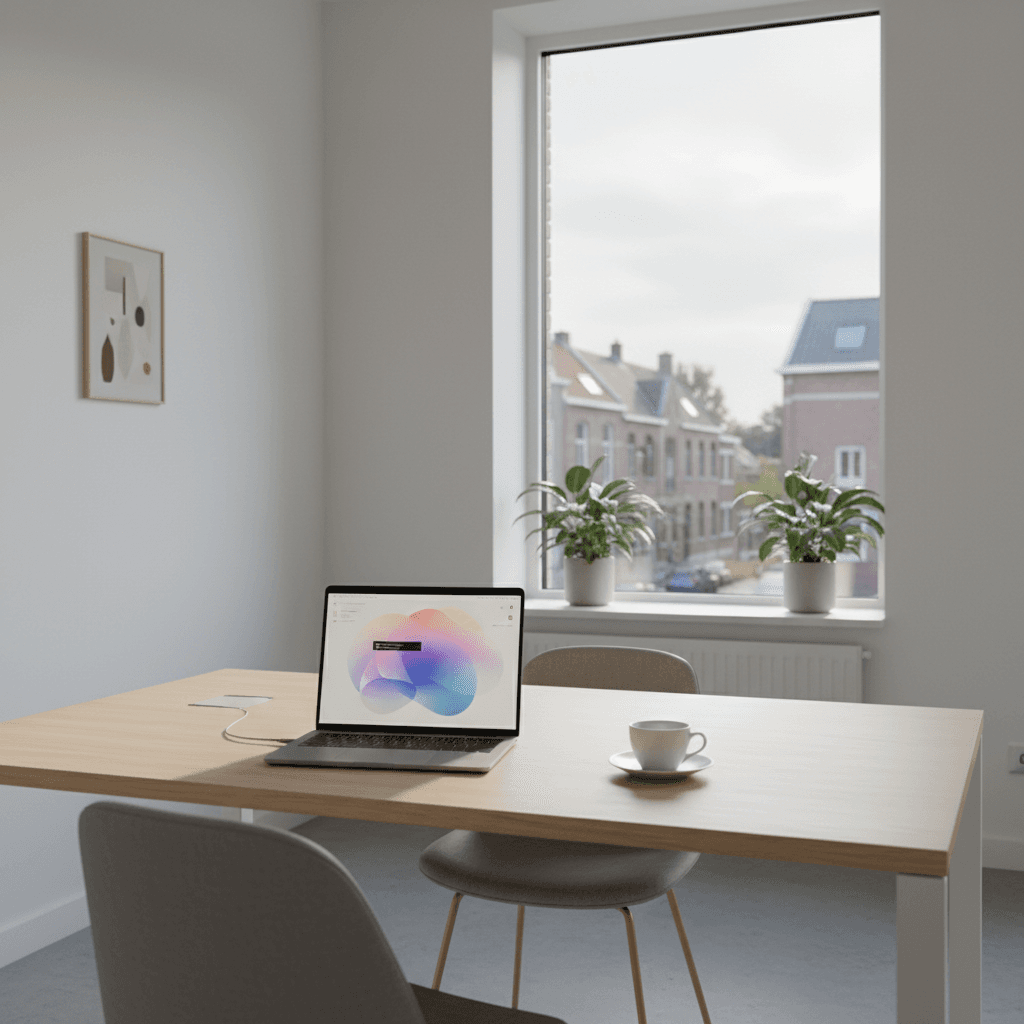
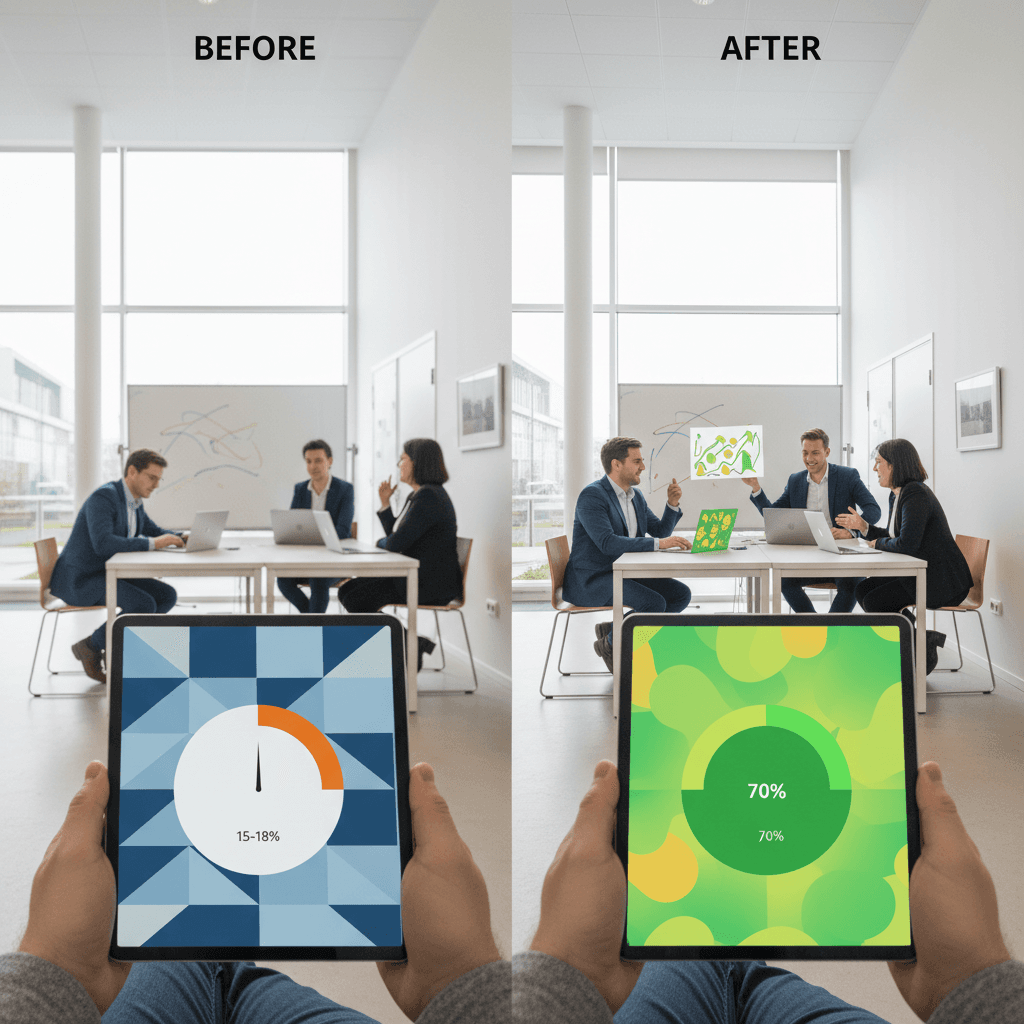
UK dental practices are splitting into three distinct camps when it comes to AI adoption. We're tracking a clear 40-40-20 divide across 65 British practices, and the performance gap is widening fast. The numbers tell the story: practices using AI voice systems are hitting 70% booking conversion rates, while those relying on traditional methods hover around 15-18%. With more than a quarter of inbound calls going unanswered at the average practice, that gap translates directly to lost revenue.
The 40-40-20 split: How UK dental practices divide on AI adoption
The numbers are striking. Around 40% of UK dentists currently use AI in some capacity, according to Henry Schein's 2026 data. Another 40% plan to adopt AI technologies within the next 12 to 24 months. And the remaining group? Nearly half of non-users have no interest in incorporating AI at all.
This creates a defining moment for UK dentistry. Practices are diverging into three distinct strategic paths, and the gap between them is growing wider by the quarter. The early adopters are already seeing measurable returns. The planners are weighing their options. The resisters are betting that traditional methods will continue to serve them well.
Each position carries its own logic, risks and potential rewards.
Understanding which cohort your practice belongs to is the first step toward making informed decisions about the future. Not every practice needs to rush into AI adoption. But every practice owner benefits from knowing where they stand relative to the competition.
We're profiling each group with real UK data, drawn from our monitoring of 65 British practices. The goal is straightforward: help readers self-identify, benchmark against peers and see exactly what each path looks like in practice. The performance differences are significant enough that the choice matters more than most realise.
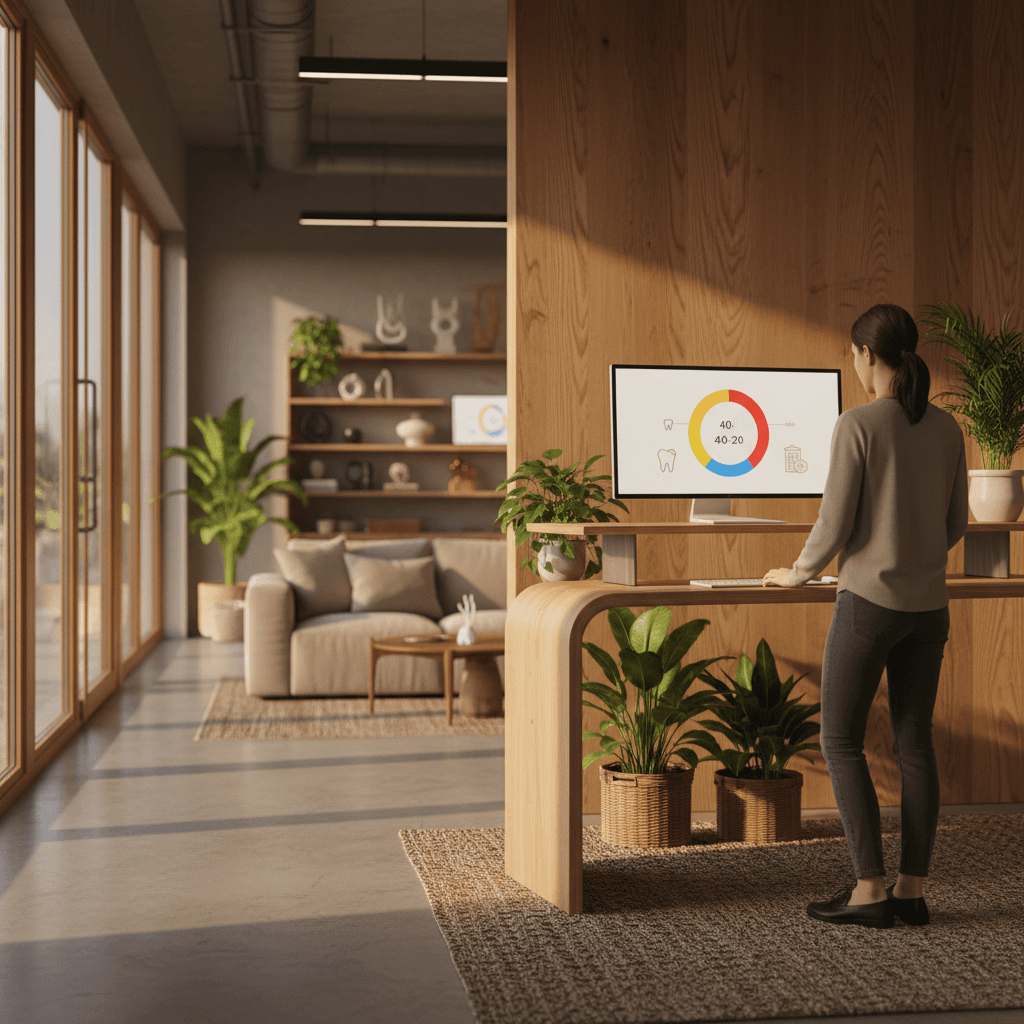
Early Adopters (40%): The practices already banking measurable ROI
The early adopters share a common profile. Multi-location groups with growth ambitions. Ambitious single practices refusing to leave money on the table. What unites them is a simple calculation: they measured the cost of inaction before weighing the cost of adoption.
The results speak clearly. Damira Dental Studios, operating across 42 UK locations, converted 50% of previously missed opportunities into booked appointments within 30 days of implementing AI reception. The revenue impact? £35,000 in additional bookings in a single month. That's not a projection. That's verified performance.
The broader data confirms this pattern. Across 65 British dental practices we're monitoring, AI voice systems are achieving 70% conversion rates for appointment bookings. Traditional methods sit at 15-18%. The gap is stark.
What separates this cohort from the rest? They did the maths on missed calls first. A recent case study on AI voice agents in UK dental practices highlighted exactly this mindset. When a quarter of inbound calls go unanswered, the cost of doing nothing becomes the most expensive option.
These practices treat Voicelabs Dental and similar AI solutions as revenue infrastructure, not experimental technology. The early adopter advantage compounds over time. Every month of hesitation is another month of missed conversions flowing to competitors who moved first.
"The practices that calculated what missed calls actually cost them moved fastest."
Cautious Evaluators (40%): What's holding back the 12 to 24 month planners
The cautious evaluators are a pragmatic bunch. They see the potential. They acknowledge the data. But something keeps them in planning mode rather than implementation mode.
The typical profile? Practice owners who worry about staff disruption, question whether the ROI will materialise for their specific situation, or simply find the implementation process daunting. These concerns are understandable. They're also increasingly expensive to maintain.
Here's what makes the hesitation curious: over 60% of UK dentists already say AI adoption would most improve their documentation and admin processes. The value case is understood. The conviction to act is what's missing.
The enterprise adoption data from 2026 shows voice AI platforms delivering 80% automation rates and 35-50% cost reduction across healthcare settings. The evidence base is growing monthly.
Meanwhile, each month of delay carries a measurable cost. UK dental practices lose 20-35% of incoming calls on average. More than a quarter go completely unanswered. Those aren't abstract percentages. They're patients booking elsewhere.
The financial benchmark cautious evaluators often need: practices save £26,000 to £32,000 annually compared to hiring an additional full-time receptionist. That's the comparison that shifts the conversation from "can we afford to adopt" to "can we afford to wait."
The 12 to 24 month window is shrinking. Competitors in the early adopter camp are compounding their advantages every quarter.
AI Sceptics (20%): Are their concerns justified or costing them patients?
The sceptics hold firm positions. They cite patient preference for human contact, raise data security questions, or point to current systems that seem adequate. These concerns deserve examination rather than dismissal.
-
The "patients prefer humans" assumption is weakening. Automation reduces administrative tasks by up to 25% in dental practices. One large practice cut scheduling time by 20% and reduced no-shows by 15% after implementing automated systems. Patients respond well to efficiency. Getting through on the first call matters more to most than who, or what, answers.
-
The opportunity cost compounds faster than most realise. With 25% of calls going unanswered and competitors recovering that revenue through AI systems, the gap widens every quarter. A practice losing 25% of potential bookings while a competitor captures 70% of theirs creates a structural disadvantage that grows annually.
-
Some concerns are based on outdated information. Data security protocols in 2026 bear little resemblance to early implementations. The question worth asking: are these objections rooted in 2024 limitations or current realities?
-
"Our systems work adequately" may be accurate but incomplete. Adequate and optimal are different standards. The real measure is performance relative to competitors, not performance relative to last year.
The sceptic position carries logic. It also carries a price tag that increases with each passing quarter.
Self-assessment: Identifying your cohort and your next strategic move
Three questions separate the cohorts. The answers take less than five minutes to calculate.
Step 1: Count your missed calls. Most practices don't track this number. The ones that do often find 20-35% of incoming calls going unanswered. A simple audit of last week's call logs reveals the baseline. Practices seeing more than 25% missed calls are leaving significant revenue on the table.
Step 2: Calculate your booking conversion rate. Of the calls that do get answered, how many convert to appointments? The 65 practices we monitor show a clear divide: AI-equipped practices hit 70%, while traditional reception methods sit at 15-18%. The gap is worth quantifying for any practice considering their position.
Step 3: Measure scheduling time. How many hours per week do staff spend on appointment booking, reminders and rescheduling? Practices tracking this metric often discover 20-25% of admin time goes to tasks that automation handles more efficiently.
For early adopters already using AI: the benchmark question is whether conversion rates match the 70% peers are achieving. Optimisation opportunities remain even after initial implementation.
For cautious evaluators weighing options: the decision framework centres on 80% automation rates and 35-50% cost reduction as baseline expectations from voice AI platforms.
For sceptics reconsidering their position: the missed call audit comes first. Quantifying what the status quo actually costs changes the conversation. Our news section tracks these metrics across UK practices monthly.
Book a 15-minute call to benchmark your practice against the 40% already seeing ROI from voice AI.